how do i fit artificial grass?
Fitting artificial grass involves several steps, but with the right preparation and tools, it can be a relatively straightforward DIY project. Here’s a step-by-step guide to help you fit artificial grass correctly:
Tools and Materials You’ll Need:
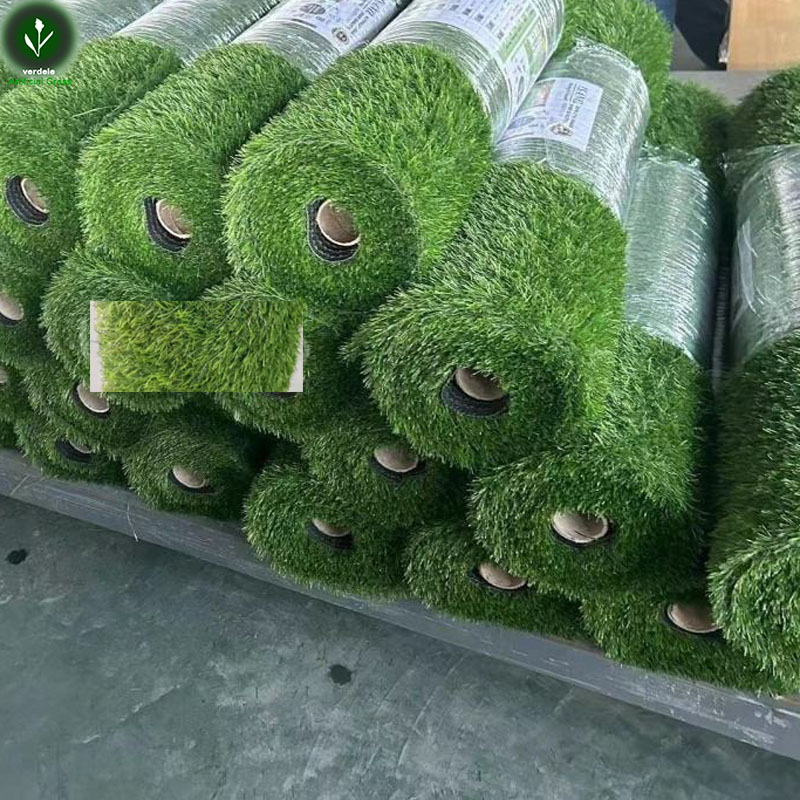
Artificial grass rolls
Turf adhesive (or tape)
Joining strips (for seams)
Landscaping pegs/stakes (to secure the grass)
Sharp utility knife or carpet cutter
Spirit level
Compactor or roller (optional)
Weed membrane (optional but recommended)
Sand (optional, for infill)
Measuring tape
Ruler or straight edge
Step-by-Step Guide:
1. Prepare the Area
Clear the Area: Remove any existing grass, weeds, plants, rocks, or debris from the area where you’ll be installing the artificial grass.
Level the Ground: Ensure the ground is level. You can use a rake or shovel to flatten the area. This will help the grass lie flat and ensure proper drainage.
Install a Weed Membrane (Optional): Lay down a weed membrane to prevent weeds from growing through the artificial grass. Cut it to size and secure it with pegs.
Compact the Base (Optional): If your ground is soft, you may need to compact it to create a firm base. You can use a hand tamper or mechanical compactor to do this.
2. Prepare the Base Layer
Create a Base of Sharp Sand: Spread a 2–3 cm layer of sharp sand or crushed stone over the area. This creates a stable base and helps with drainage. Use a rake to spread it evenly.
Compact the Sand: Use a roller or tamper to compact the sand. The surface should be flat and firm, with a slight slope for water drainage (about 1% slope is sufficient).
3. Cut the Artificial Grass
Measure and Cut: Unroll the artificial grass on the area and let it settle for a few hours to avoid wrinkles. Measure and cut the grass to fit the space, leaving a small border (around 1–2 cm) to ensure it’s snug against the edges.
Trim Edges: Use a sharp utility knife or carpet cutter to trim the artificial grass. Ensure you cut along the edge of the turf fibers, not through them, to avoid fraying.
4. Join Multiple Pieces (If Needed)
Joining the Turf: If your area requires more than one roll of artificial grass, you’ll need to join them. Place the seams together, ensuring the fibers are aligned.
Apply Turf Tape/Glue: Apply turf adhesive along the seam or use joining strips to keep the edges of the turf aligned. Press down firmly and make sure the edges are joined tightly.
Secure the Seams: Use a rolling pin or compactor to press the seams down firmly, ensuring a strong bond between the two pieces.
5. Lay the Artificial Grass
Position the Grass: Lay the artificial grass on top of the base, ensuring that the fibers are facing the correct direction (usually toward the longest edge for a natural look).
Secure the Grass: Use landscaping pegs or stakes to secure the artificial grass around the edges. Peg the grass every 20–30 cm to ensure it doesn’t shift over time.
Tuck in the Edges: If there’s excess grass along the edges, tuck it under or trim it neatly to make a clean finish.
6. Finishing Touches
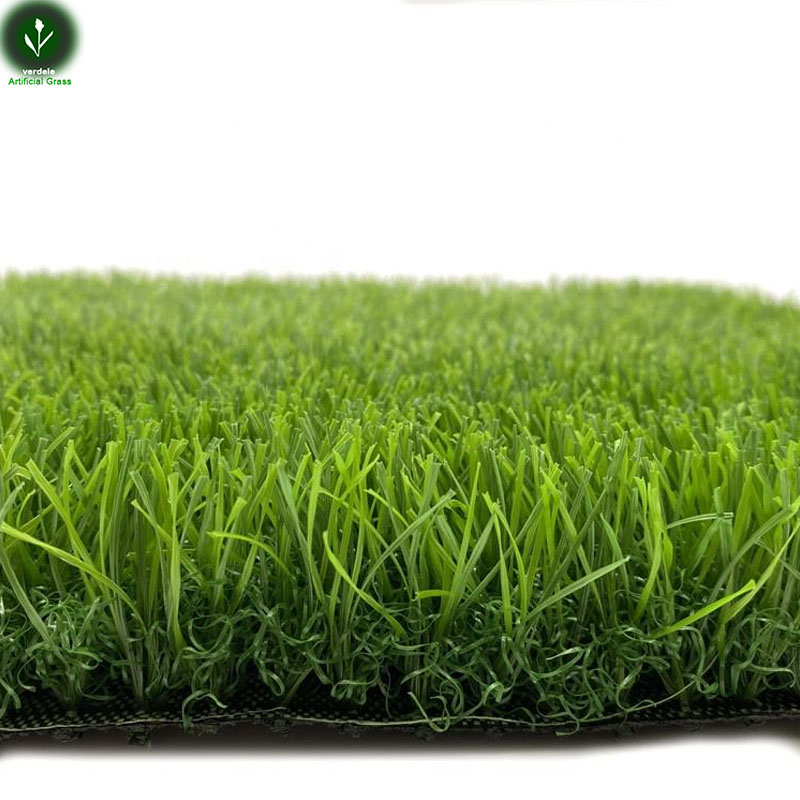
Infill (Optional): Depending on the type of artificial grass you have, you might need to add infill (such as silica sand or rubber crumbs) to support the blades and give the grass a more natural feel.
Spread the infill evenly with a brush or broom, and make sure the fibers stand upright.
Brush the Grass: Use a stiff broom or brush to comb the fibers and make them stand upright. This will help them look more natural and give the grass a fresh appearance.
7. Final Check
Inspect the Edges: Check the edges for any gaps and ensure they are securely fastened with pegs or adhesive.
Smooth the Surface: Give the entire area a final brushing to ensure the fibers stand upright and the surface looks uniform.
Additional Tips:
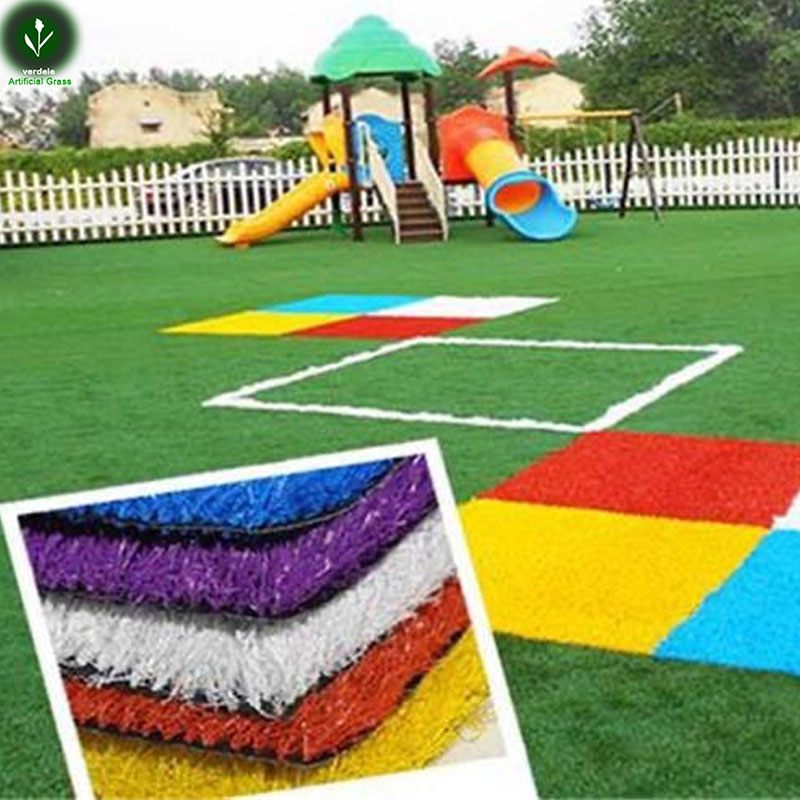
Drainage: Ensure the area has proper drainage. If you’re installing artificial grass in a heavily trafficked area (like a playground or driveway), you may need to install drainage channels to prevent water pooling.
Weighting Down the Grass: If you’re not immediately securing the turf, use heavy objects to weight it down for a few hours to help it settle and prevent shifting.
Edge Finishing: For a clean finish, you can use edging material like timber or metal along the borders of the grass to hold it in place.
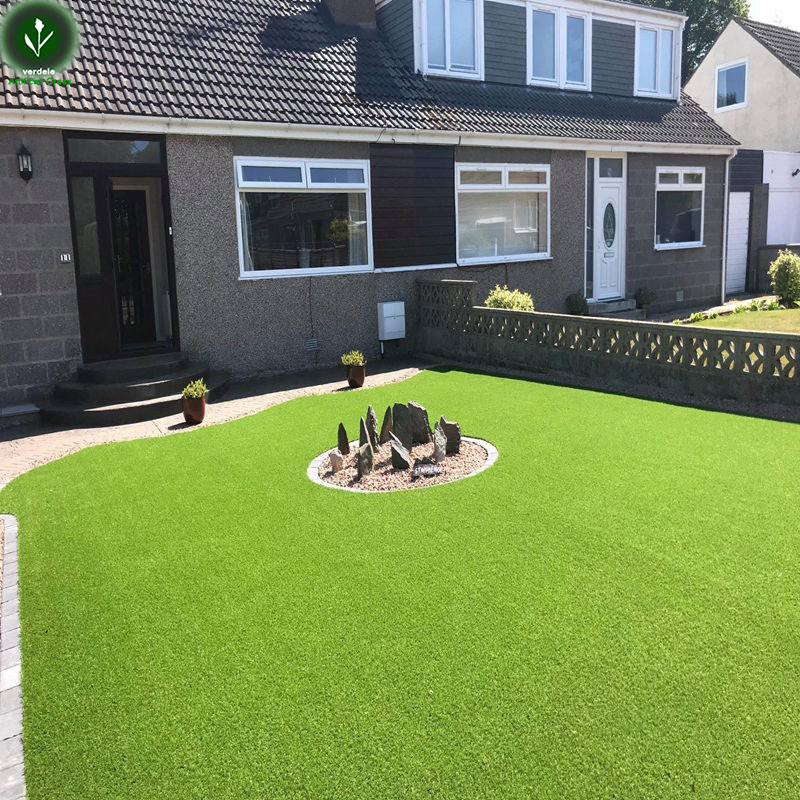
By following these steps, your artificial grass should look great and perform well for many years. Whether you’re laying it in your garden, on a balcony, or in a commercial space, proper installation is key to a successful result.